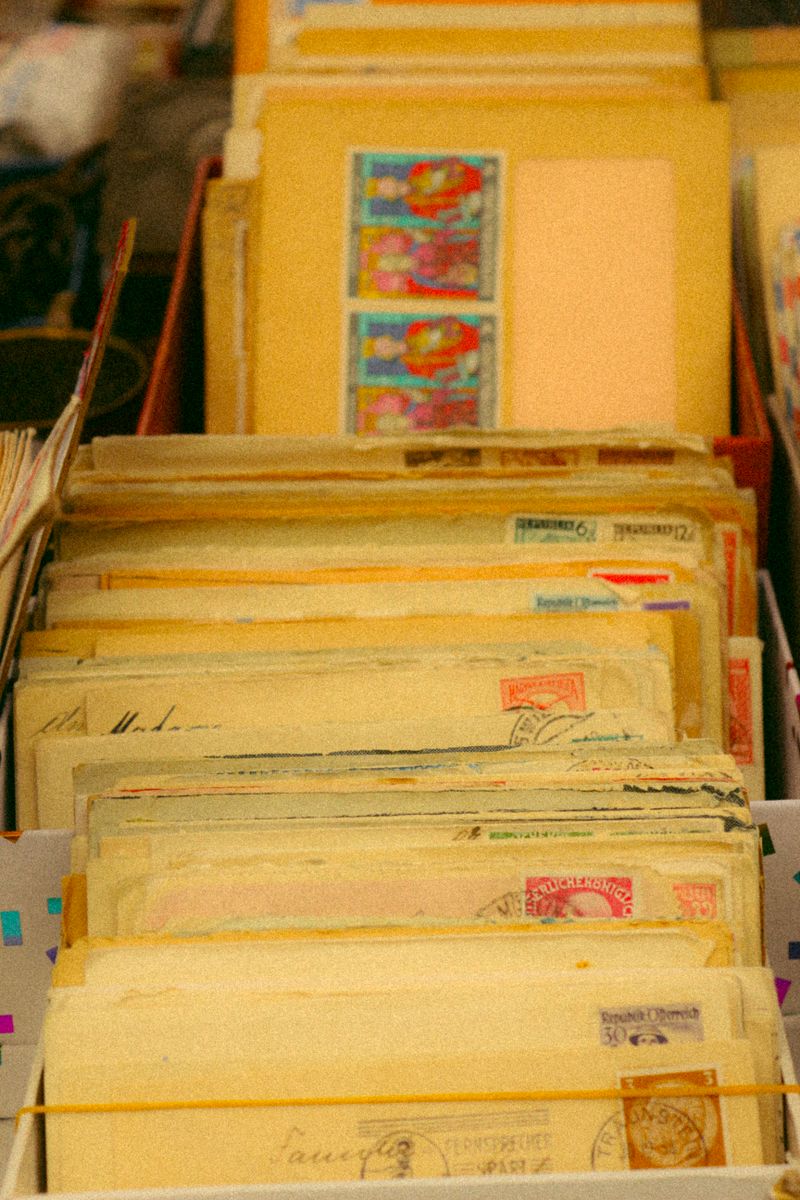
Pl. 001 — Envelopes & stamps, postal era. Representative image.
We built machinesto remembereverything.We forgot howto rememberourselves.
An evolving digital archive exploring how technology transformed the way humanity communicates, remembers, and connects.
Enter the archive1840 → 2022
Twelve exhibits in order. Keep scrolling down the line. Select any plate to examine it.
- Era · Paper
- Era · Wire and air
- Era · Screen
- Era · Archive
- Era · Synthetic
Room 01 · Archive 001 · The Beginning · 1840 — 1900
Before the internet,there wasa letter.
To say something to someone far away, you first had to want to say it enough. You found paper, you found the words, and then you waited.
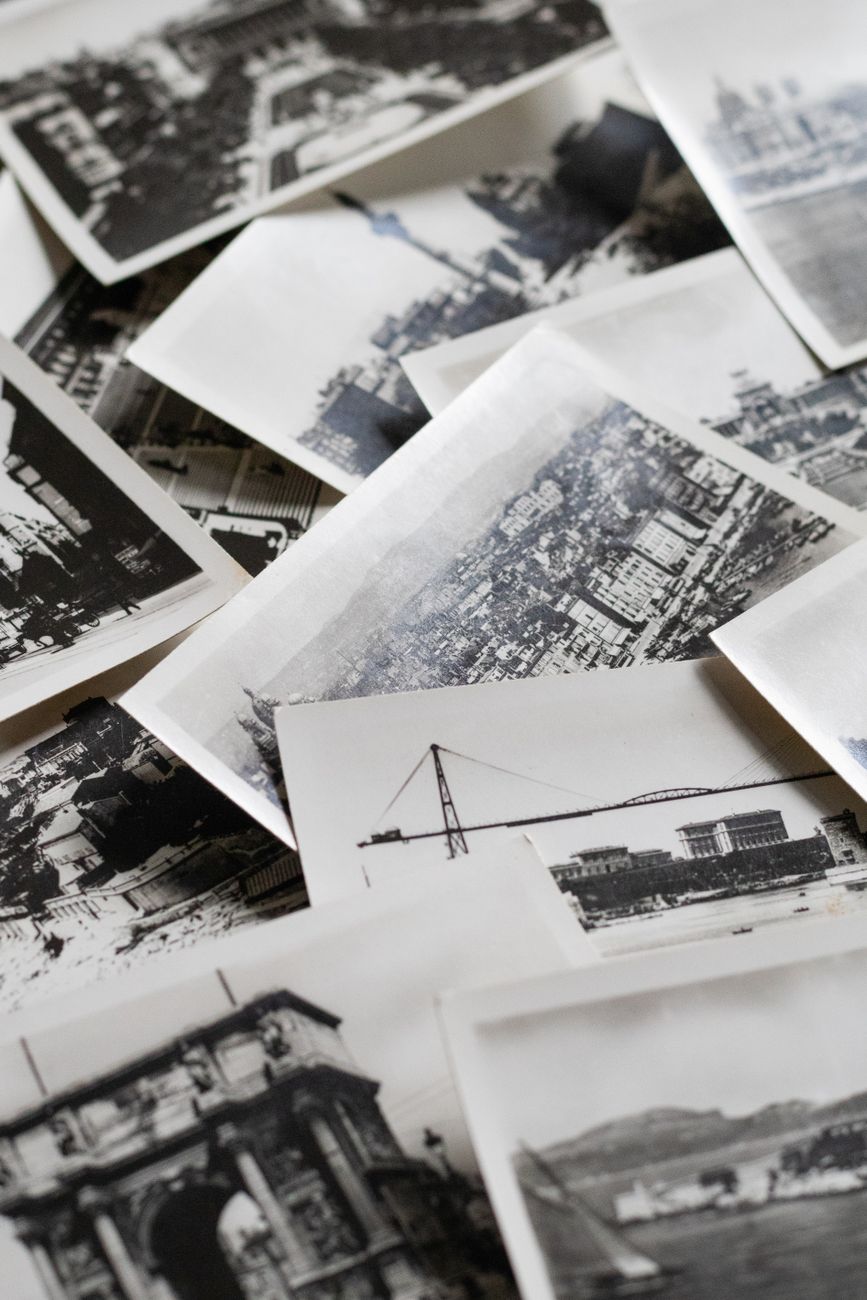
Kept, not filed. These were reread until the folds wore through.
- What changed
- Words could leave the room. A thought became an object that travelled.
- Technology
- The prepaid postage stamp in 1840, and the typewriter from 1873.
- Effect on connection
- Ordinary families could afford to write across any distance for one flat price.
- Gained, perhaps lost
- We gained reach. The cost of a reply, the hours of anticipation, was the part that made it feel earned.
A letter across an ocean could take weeks. Every day of that wait was part of the message.
Room 02 · Archive 002 · The Connection · 1876 — 1927
Distance
became irrelevant.
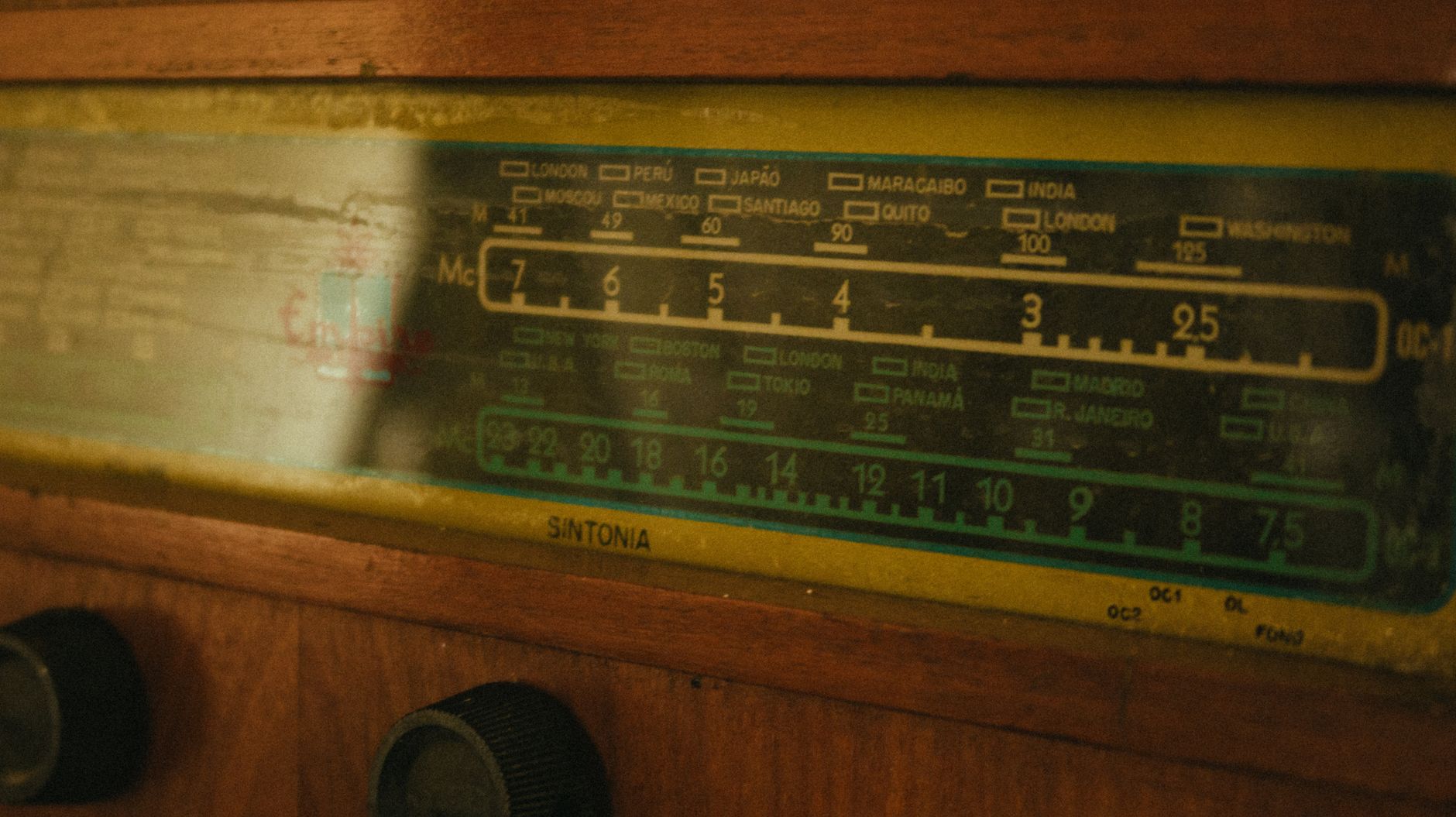
Fig. 02.0 — a radio dial. Representative image. The voice arrived before the person did.
AM band · kilohertz · tune it yourself
1020kHz
● Signal locked
KDKA · Pittsburgh
November 2, 1920. The first scheduled commercial broadcast: the Harding–Cox election returns, heard by a crowd that was not in the room.
The voice arrived before the person did.
- What changed
- A voice could travel down a wire, and the person on the other end no longer needed to be in the room.
- Technology
- Bell’s telephone, patented in 1876. KDKA’s election broadcast in 1920. Electronic television, first demonstrated in 1927.
- Effect on connection
- Speech became immediate across distance, and one transmitter could now reach a crowd of listeners at the same moment.
- Gained, perhaps lost
- We gained a shared present. The long silence between letters, and the work of imagining the other person, faded.
Room 03 · Archive 003 · The Acceleration · 1971 — 2000s
Messages
stopped waiting
- FROM
- Neil Papworth
- TO
- Richard Jarvis
- DATE
- 03 DEC 1992
TEXT
Merry Christmas
Reconstruction for this exhibition. Not a screenshot.
- What changed
- A message could be short, sent at once, and read whenever the reader chose.
- Technology
- Networked email from 1971, where @ separated a person from a machine, and the first SMS in 1992.
- Effect on connection
- Instant messaging and early social networks made replies expected within the hour, not the week.
- Gained, perhaps lost
- We gained immediacy and presence. The pause between messages, where a reply could be considered, mostly disappeared.
Waiting by the phone became waiting for a reply.
Room 04 · Archive 004 · The Permanence · 1975 — today

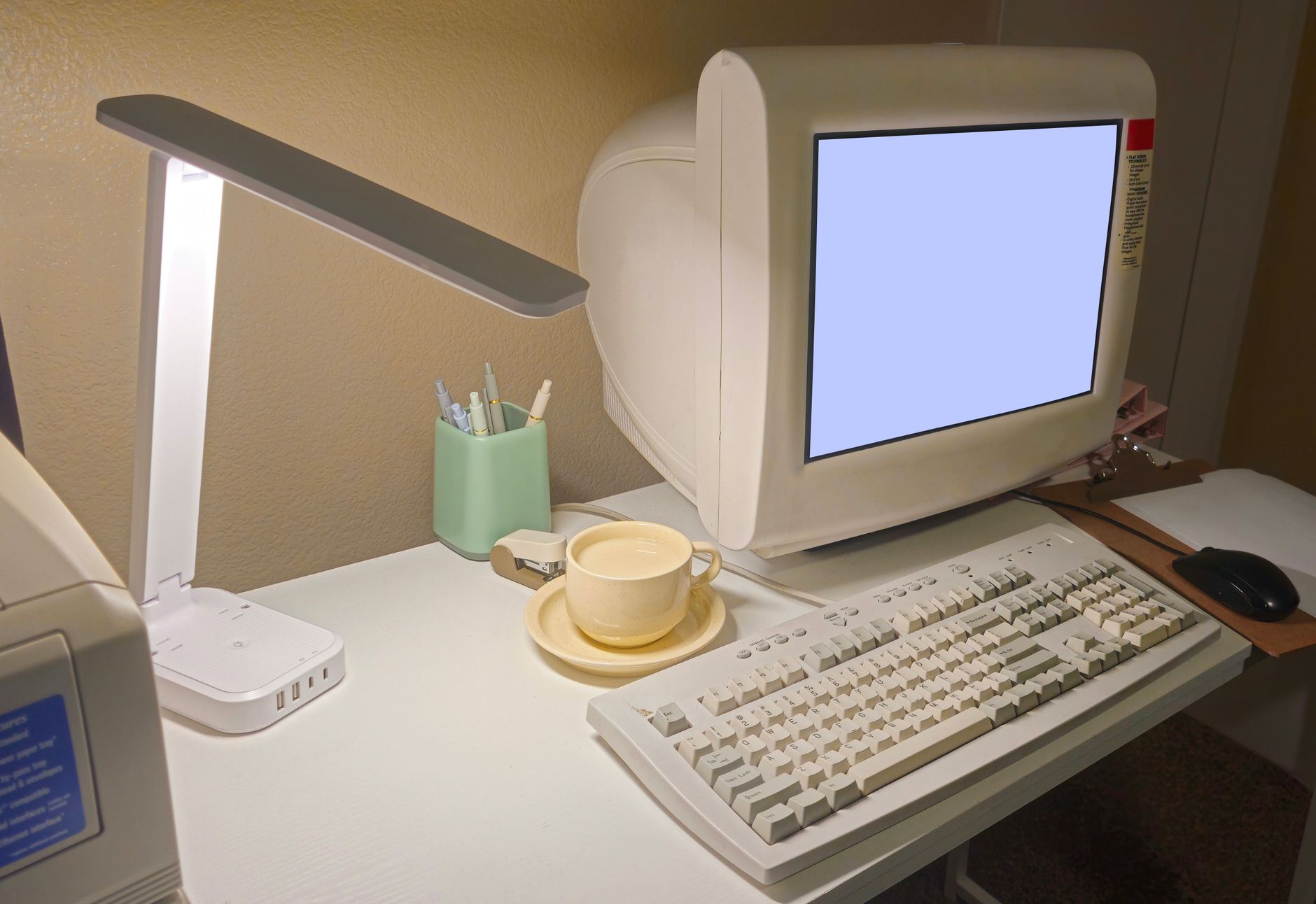
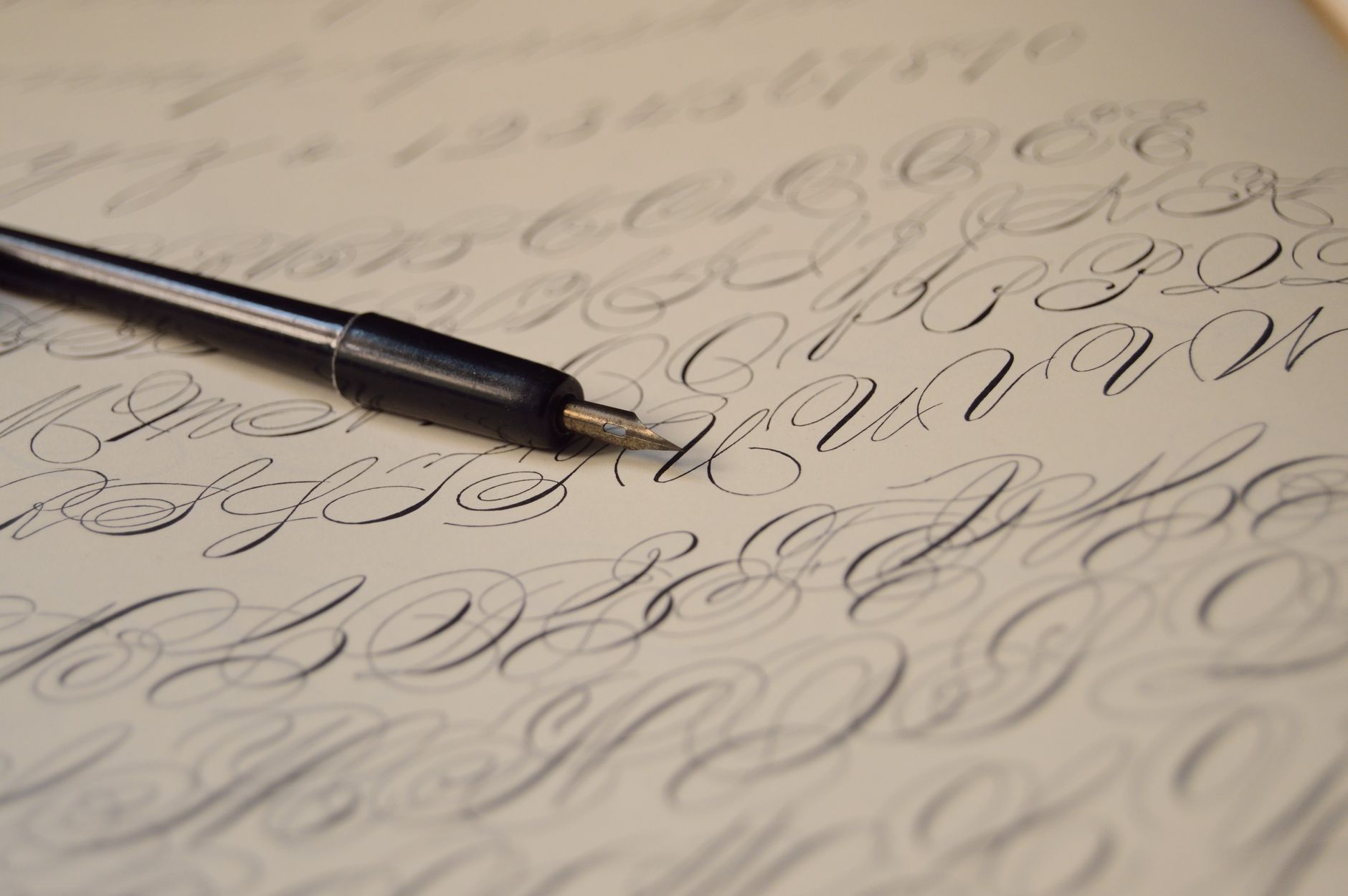
Nothing
disappears anymore.
Illustrative file names · not real files
Do we remember more, or do we simply store more?
Stored and recalled
Conceptual, not statistical
| Kind | Stored | Recalled |
|---|---|---|
| Photographs | Everything | Nothing recalled |
| Messages | Everything | Nothing recalled |
| Places | Everything | Nothing recalled |
| Searches | Everything | Nothing recalled |
Each new archive asks us to decide what is worth keeping, and who keeps it.
- Where did the photograph go?
- In 1975 Steven Sasson’s prototype recorded an image to cassette tape, so a photograph became a file rather than an object. Taking one stopped costing anything.
- Who holds the archive now?
- Amazon S3 opened in 2006, renting storage by the gigabyte. Memory moved to places we never see, on terms we rarely read.
- What do our conversations leave behind?
- Message histories and location logs now persist by default. Old exchanges stay searchable long after the moment has passed, and the moment itself is harder to forget.
- What trail do we leave?
- Every search, tap and check-in adds a line to a record we did not write for ourselves. Recall now depends on what the machines kept, not on what we chose to keep.
Room 05 · Archive 005 · The Artificial · 1966 — today
Now, even the words aren’t necessarily ours.
Which one is yours? Choose a message.
Not quiteA is the generated one: fluent, warm, and interchangeable with a thousand others. B was written by hand. Try B. (Illustrative example. Both were written for this exhibition.)
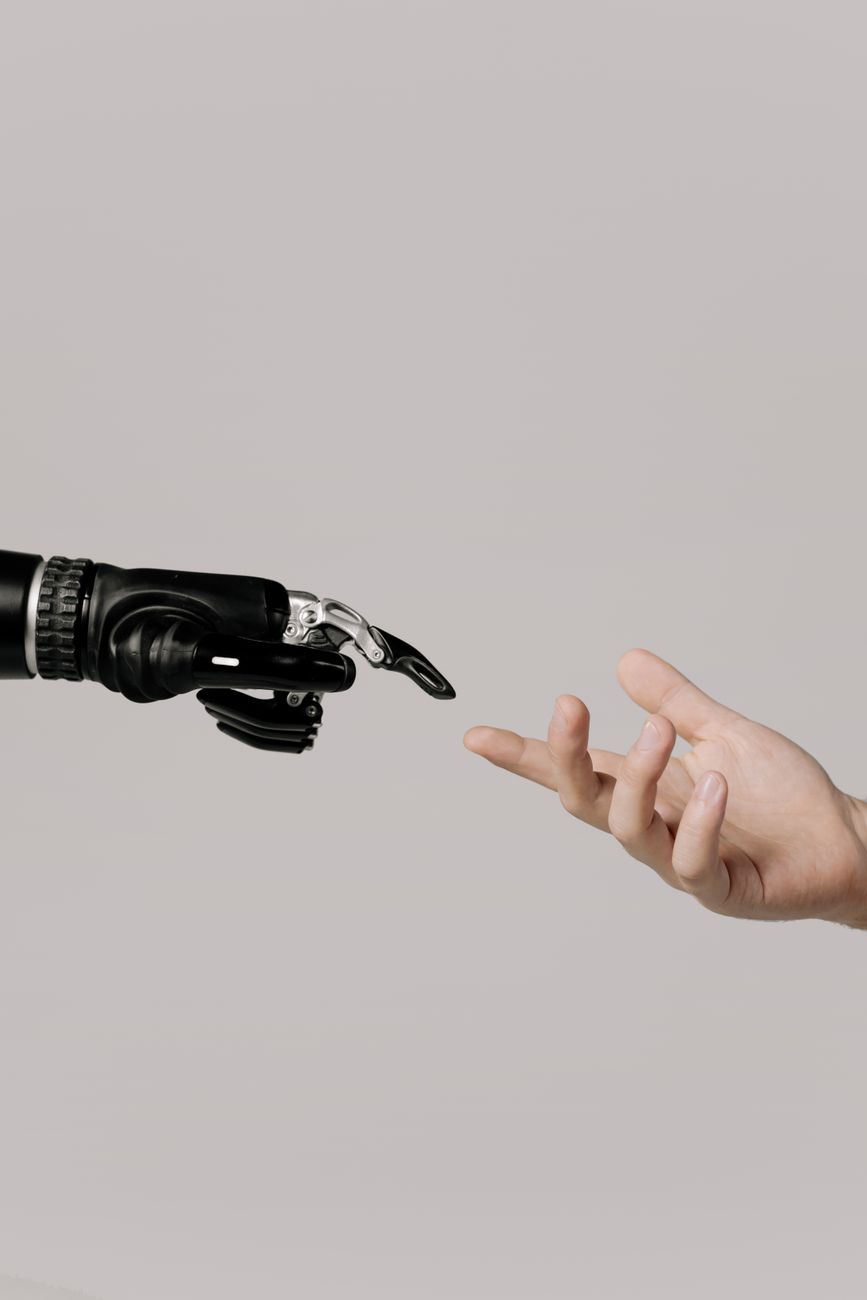
Two hands. One sentence.
Representative image
Machine lineage · three machines that learned to answer
Four questions, asked honestly.
- Generated messages
- A fluent sentence can now be produced with no feeling behind it. Ask whether the sender read it, meant it, and would stand by it. A short disclosure costs little; silence costs trust.
- Synthetic voices
- A voice on the line is no longer proof of a person on the other end. Verify by a second channel before acting on anything urgent or emotional.
- AI companions
- They listen without tiring and never leave. That comfort is real, but the listener is a system designed to keep you talking, and it cannot miss you back.
- Generated photographs
- Images can show people and places that never existed. A photograph once proved presence; now it proves only that someone chose to make it. Ask who made it, and why.
Room 06 · The Question
When everything can be remembered, what makes a memory meaningful?
What did you save this year that you have never looked at again?
Some things are worth remembering. Not because they were saved, but because they were lived.
Catalogue card · Final entry
Archive 006 · The Question. Open to every visitor, unanswered by design.
Not everything meaningful can be stored.
Return to the beginning